
Indie App Devs #15
Weekly tips for indie app developers.
Hello! 👋
Next week, we will have a special guest. A well-known indie developer and founder of SwiftLee, Antoine van der Lee.
Stay tuned. I think his topic will be very interesting for you.
Sponsor 🤝
Create App Store Screenshots in Minutes with AppScreens
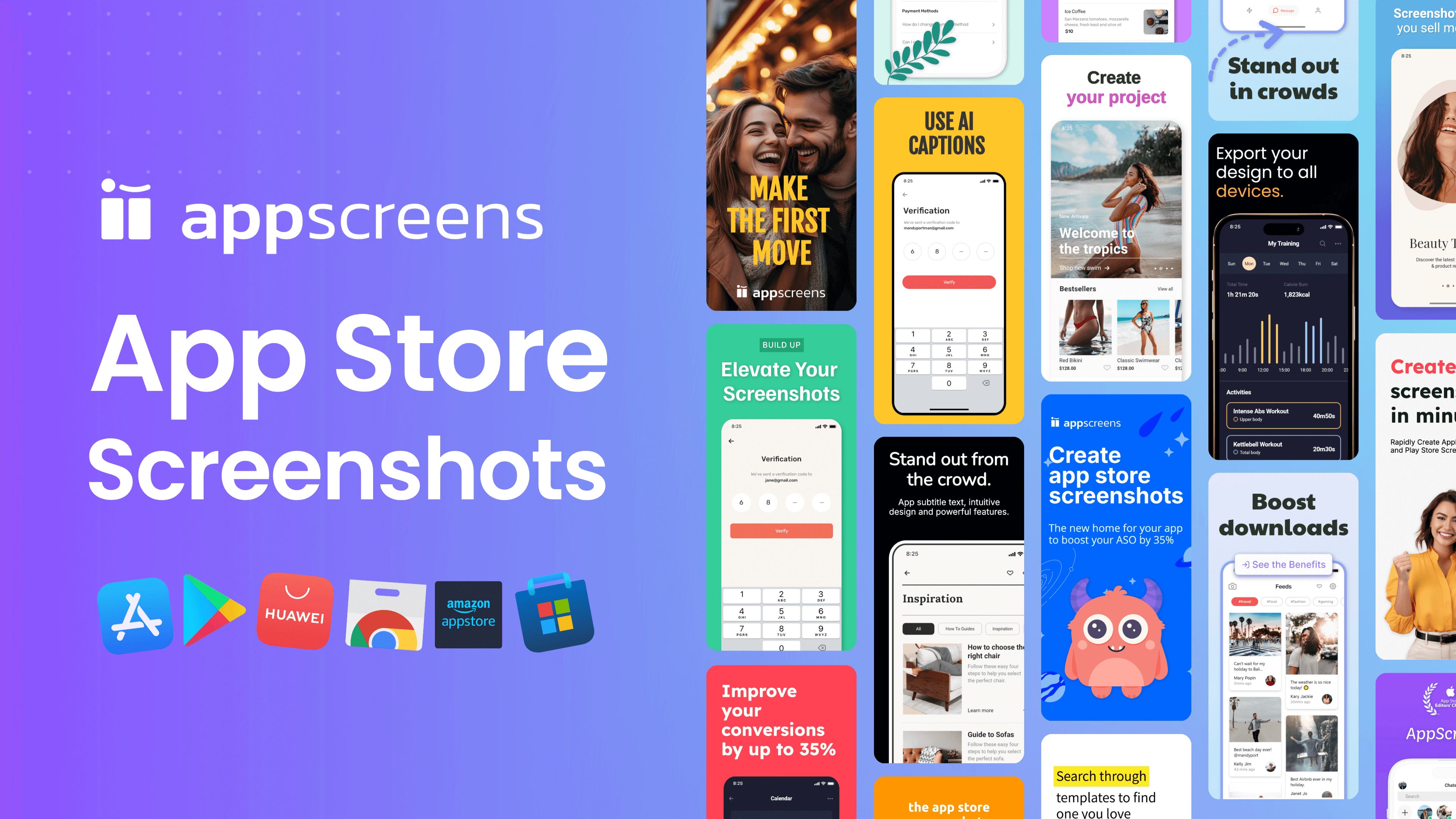
Indie developers should not spend days designing screenshots.
AppScreens gives you hundreds of ready-to-use templates, automatic resizing for every device, and one-click uploads to the App Store and Google Play.
Create a store page that looks professional and converts, without hiring a designer or an agency.
How to Make Money With Newsletter?
This issue will be a little different. I’ll introduce myself and share a few tips on how to make money with newsletters.
I run a few newsletters:
iOS Dev Tools newsletter with 7,000 subscribers;
Those Who Swift newsletter with 15,000 subscribers;
Indie App devs newsletter with 1,700 subscribers;
Insanely Cool Tools newsletter with 20,500 subscribers.
I make money with all of them, and together they generate around €50,000 in profit per year. I’d say that’s not bad for a side hustle.
About me:
My name is Justas, I’m from Lithuania. 🇱🇹
I help companies with SEO/LLMs (if you need help feel free to contact me!).
I run 4 newsletters as a side hustle.
I have a 2-year-old boss at home who controls everything. 👶
I like movies and cars. Vrum Vrum…. 🏎️💨
Let’s Start! 🏁
Before I start, I want to say one thing: there’s no perfect way to run, grow, and monetize newsletters. Everyone has their own approach and tactics.
Some people use paid ads to grow, have teams to help them, scale fast, and make millions.
I do most things myself. I have a senior developer who helps me to gather news for the Those Who Swift newsletter. Other than that one-man army! 🙋♂️
All 4 newsletters I run were acquired. The previous owners didn’t want to continue, grow, or monetize them anymore. I paid anywhere from $1,000 to $25,000 for each of them.

With newsletters you can make more than working a full-time.
For example, well-known developer Dave Verwer from iOS Dev Weekly makes around $10,000 a month from newsletter sponsorships alone.
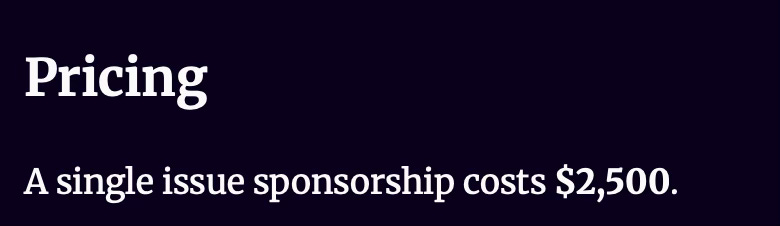
But at the same time, let’s not forget that it took him years of work to get to this point.
In general, you can make anywhere from $150 to $5,000 per issue or even more. It depends on many factors:
# of subscribers
% of click rate
% of open rate
and some other small things
The hardest part is growing and maintaining a newsletter. Then working with sponsors: finding them and dealing with them.
It took me nearly 2.5 years to grow iOS Dev Tools from 1,900 subscribers to 7,000.
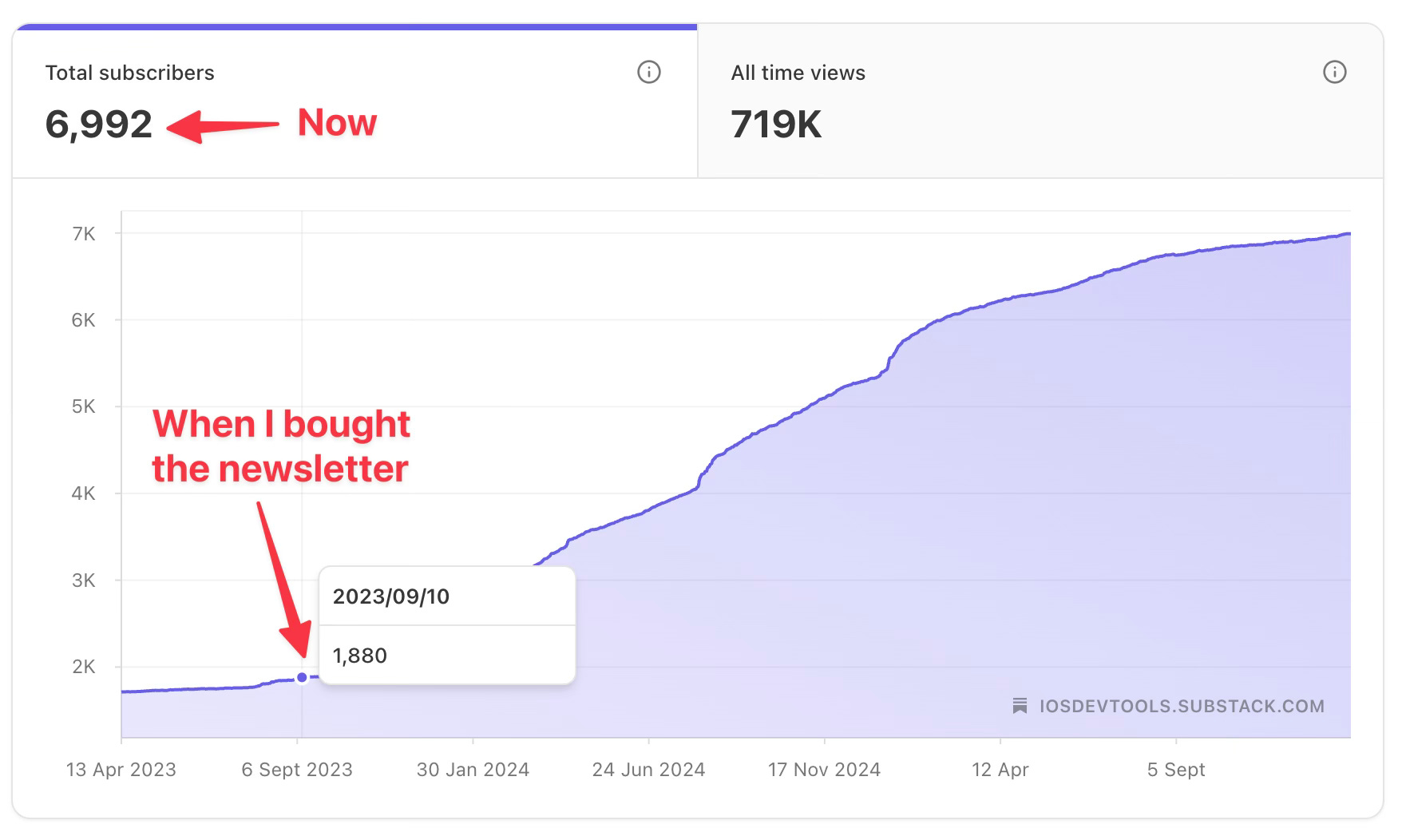
I didn’t use any paid tactics. Only organic growth, mostly through social media and some SEO.
How to Choose the Perfect Platform?
It really depends on your needs.
For me the pricing was a huge factor. I don’t need a bunch of random features, 24/7 support, or tons of integrations with other tools and platforms.
I needed something simple, easy to use, and free. My choice was Substack.
There are 3 main platforms for newsletters:
Substack. Revenue-Share Model
Pricing Structure
$0/month: No subscription cost to use the platform, publish newsletters or build your audience.
Platform fee: 10% of your paid subscription revenue once you start charging subscribers.
Payment processing: Stripe takes standard card fees (about ~2.9% + $0.30 per payment + recurring billing fee).
Substack only makes money when you make money. It’s free until you enable paid subscriptions.
beehiiv. Tiered Flat-Fee Pricing
Pricing Structure
Free: Up to ~2,500 subscribers with unlimited newsletters and basic features.
Paid Plans (approx price ranges)
(Actual prices vary with subscriber count and billing frequency - these are typical mid-tier examples.)
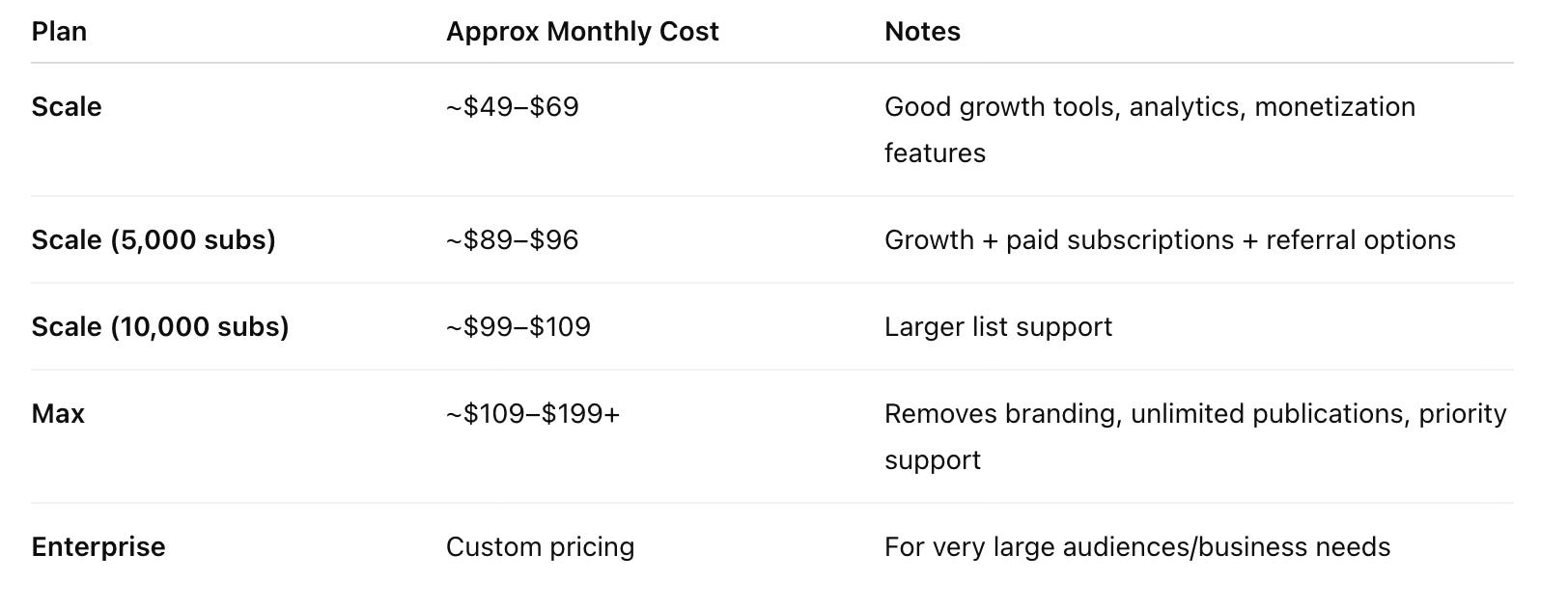
No revenue cut on paid subscriptions. You only pay the flat monthly fee plus payment processor fees.
Kit (ex-ConvertKit). Subscriber-Tiered Pricing
Pricing Structure
Free: Up to 10,000 subscribers, unlimited emails/landing pages, basic automations.
Paid Tiers
(Prices scale with subscriber count and features - approximate monthly):
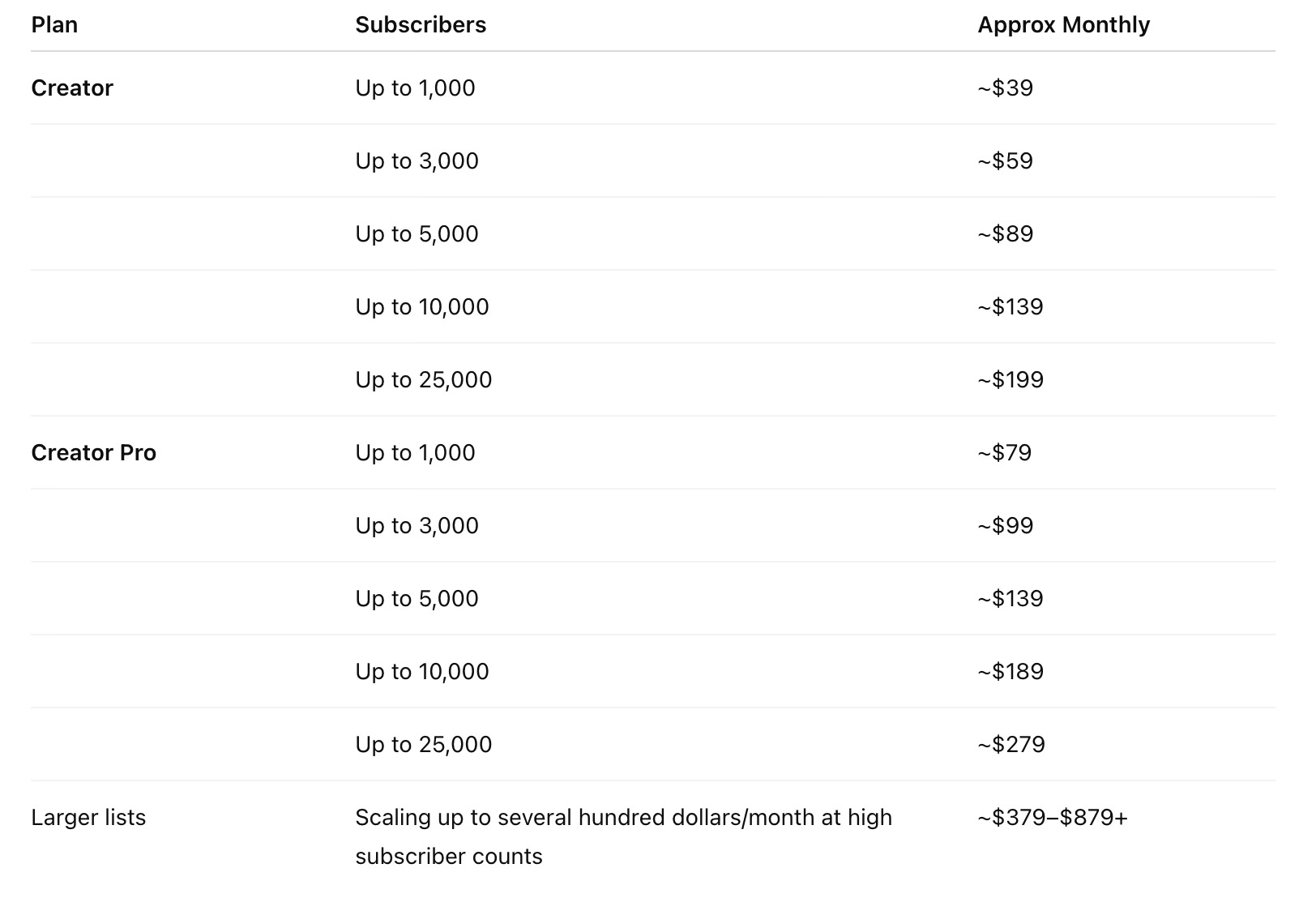
Paid plans unlock full automation, advanced reporting, segmentation, and more users/teams. Kit doesn’t take a percentage of revenue - you own all earnings.
What if I Want to Buy a Newsletter Like You?
A quick tip before we dive in - there’s a saying: “riches are in the niches”
Avoid buying newsletters in broad, generic topics like AI, travel, jobs, marketing, general news, or similar.
These are usually harder to monetize. It’s much better to go for a smaller, focused niche like gardening, farming, gluten-free, a specific programming language, UX/UI design, or something along those lines.
Sponsors love it when they can reach a very specific audience. 💰
I bought iOS Dev Tools newsletter on a platform called LetterTrader (ex-Duuce). A marketplace dedicated to newsletters. You can also find newsletters for sale on Flippa, Empire Flippers, Acquire and other marketplaces or even forums.
The main issue with marketplaces is pricing. Most sellers use a simple formula: monthly revenue × 36 months.
That gets expensive fast.
You can try negotiating or look elsewhere. I got lucky: the price of my newsletter was reasonable and actually worth it.
Another tactic I use is checking Substack manually and looking for inactive newsletters. If a newsletter hasn’t published anything in 3–6 months, you can reach out and ask if the owner is interested in selling.
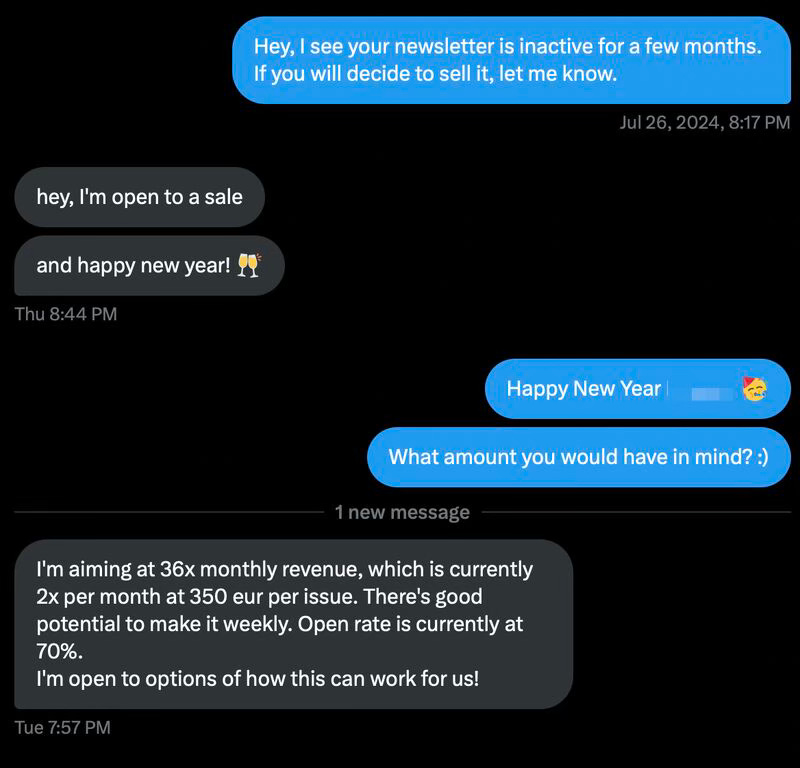
That’s how I bought Those Who Swift newsletter with 20,000 subscribers for around $12,000.
How to Find Sponsors?
1️⃣ Use platforms like Paved or Passionfroot. You sign up, fill out your profile, and… that’s basically it. They find sponsors for you. Of course, they take a cut. Super simple.
2️⃣ Use databases like Appeared, SponsorGap or Who Sponsors Stuff. You pay a monthly fee, join the platform, and get access to thousands of companies that already sponsor other newsletters. Contact details are included, so you can start reaching out right away.
3️⃣ My favorite and most effective method is to subscribe to all newsletters similar to yours. Check each issue for ads and sponsored placements. When you spot a company advertising, reach out using email and LinkedIn.
It’s super basic - but it works.
How to Grow a Newsletter?
1️⃣ Substack has a recommend feature. beehiiv and Kit have something similar too, as far as I know.
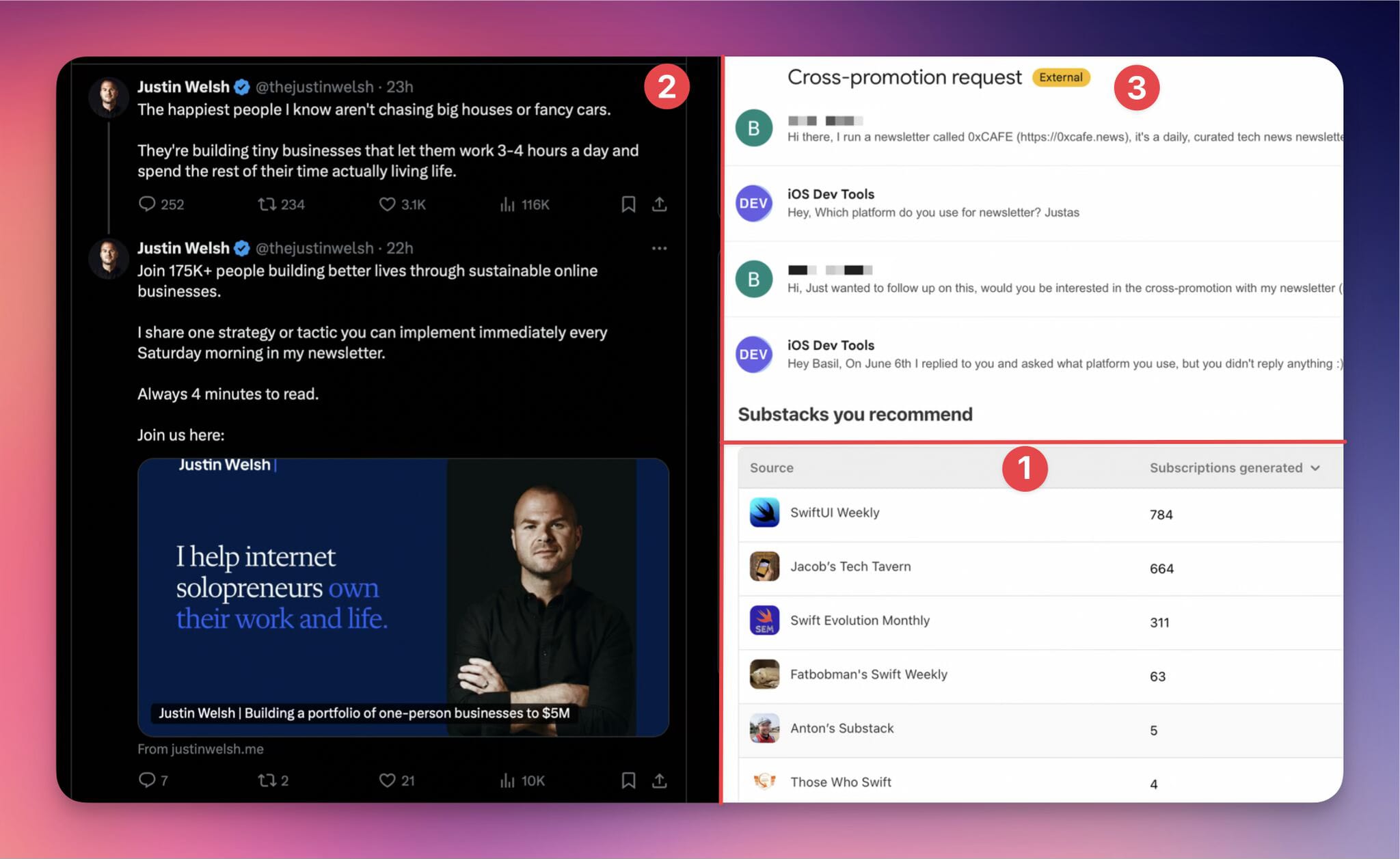
You recommend other newsletters to your readers, and they usually do the same for you. It’s a great way to get new subscribers without much effort. (Check image with #1 below).
2️⃣ I’ve learned that social media is one of the most effective ways to grow a newsletter. The key is to stay active.
Post often, use different platforms like X and LinkedIn, and don’t forget to share a link to your newsletter.
I personally do what Justin Welsh does really well: every time he tweets, he adds a link to his newsletter in a second tweet. It looks like this brings him a lot of subscribers.
By doing the same, I get around 50+ new subscribers per month. Not too bad. (Check image with #2 below).
3️⃣ Manual cross-promotion. I don’t do this often, but occasionally it works well.
Find newsletters on different platforms, reach out to their creators, and ask if they’re interested in cross-promotion. If people find your newsletter interesting, they’ll subscribe. Simple as that. (Check image with #3 below).
Important: I’d suggest starting a newsletter in a niche you’re genuinely passionate about. Something you can talk about endlessly.
If you start only to make money, your motivation will fade. It’s hard work, and it takes a lot of time.
That’s it! Thank for reading! 👋
IF YOU HAVE ANY QUESTIONS - please leave a comment and I will reply to you!
Connect with me! 👇
You can find me on LinkedIn & X. Let’s connect!
You’re serial newsletterpreneur!😀
Which sponsor aquasition channel is working best for you?